










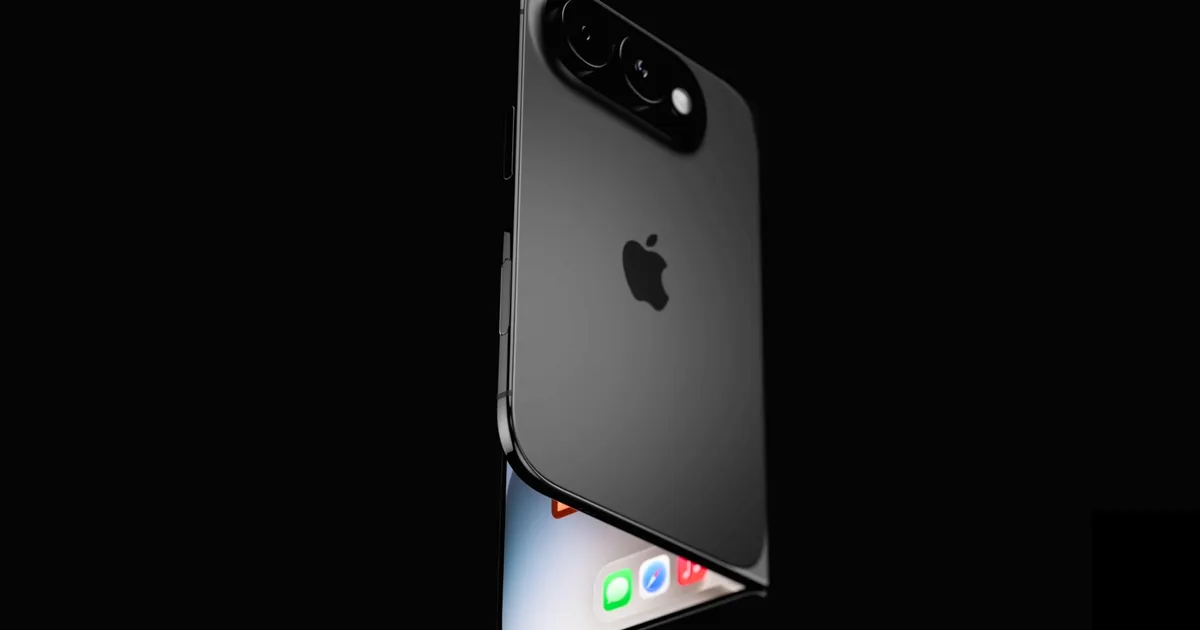
Apple may be about to make its long-awaited move into foldable phones, but Huawei and Xiaomi clearly have no intention of letting it have the week to itself. Both Chinese smartphone makers unveiled new flagship foldables in China on Monday, just two days before Apple is expected to introduce its first foldable iPhone. The timing is difficult to ignore. Foldables have been around for years, but an Apple entry could bring a fresh wave of attention to the category, and Huawei and Xiaomi want their newest hardware in the conversation before that happens.
Huawei is taking the more unusual route with the Mate XT 2, its second-generation trifold phone. Like its predecessor, it uses two hinges to transform from something resembling a regular smartphone into a much larger tablet-sized device. It is also the first Huawei phone based around the company’s new LogicFolding chip design philosophy. Xiaomi, meanwhile, has taken a different approach with the Xiaomi 18 Fold. Its passport-like folding design is notable because it resembles the form factor Apple is expected to use for its first foldable iPhone.
Apple could turn foldables into everyone’s business
The real story here isn’t simply that two more foldable phones have arrived; it’s what happens to the category once Apple joins it. Apple’s first foldable is expected to cost north of $2,000, so it likely won’t be an iPhone for everyone. Even so, Apple has an enormous base of premium smartphone buyers, and Counterpoint analyst Ivan Lam expects its arrival to quickly translate into meaningful foldable market share.
Smart Analytics Global estimates Apple could grab roughly 25% of the global foldable market during its first year, followed by 41% the year after. If that happens, companies that have spent years building foldables suddenly have a much bigger competitor to worry about. But Apple’s arrival could also work in their favor. More advertising, more retail visibility, and more people considering a foldable for the first time could expand the entire category rather than move existing buyers from one brand to another.
There’s another reason foldables matter right now
Huawei and Xiaomi have another good reason to bet big on foldables right now: selling smartphones is getting tougher. Global shipments are expected to drop 14% this year, according to Counterpoint, while rising component prices are making cheaper phones harder to sell without squeezing profits. Xiaomi has already started moving away from some of those lower-margin devices and putting more attention on premium phones instead. You can see some of that thinking in the Xiaomi 18 Fold. It uses memory from Chinese supplier CXMT and Xiaomi’s own Xring O3 processor, giving the company more control over what goes inside its phones and reducing its dependence on foreign suppliers.
Huawei is dealing with similar pressures. The company shipped more phones during the first half of the year, but its profit still fell. And with component prices climbing, Huawei, Xiaomi, and Honor have raised smartphone prices in China this month.
All of that makes expensive phones, especially foldables, much more important. There’s more room to make money on a premium foldable than on a budget phone where every component cost matters. It also makes the timing of these launches feel a lot more deliberate. Huawei and Xiaomi get their new foldables into the spotlight now, and if Apple brings a flood of new attention to the category later this week, shoppers will already have something new waiting.
Source link