










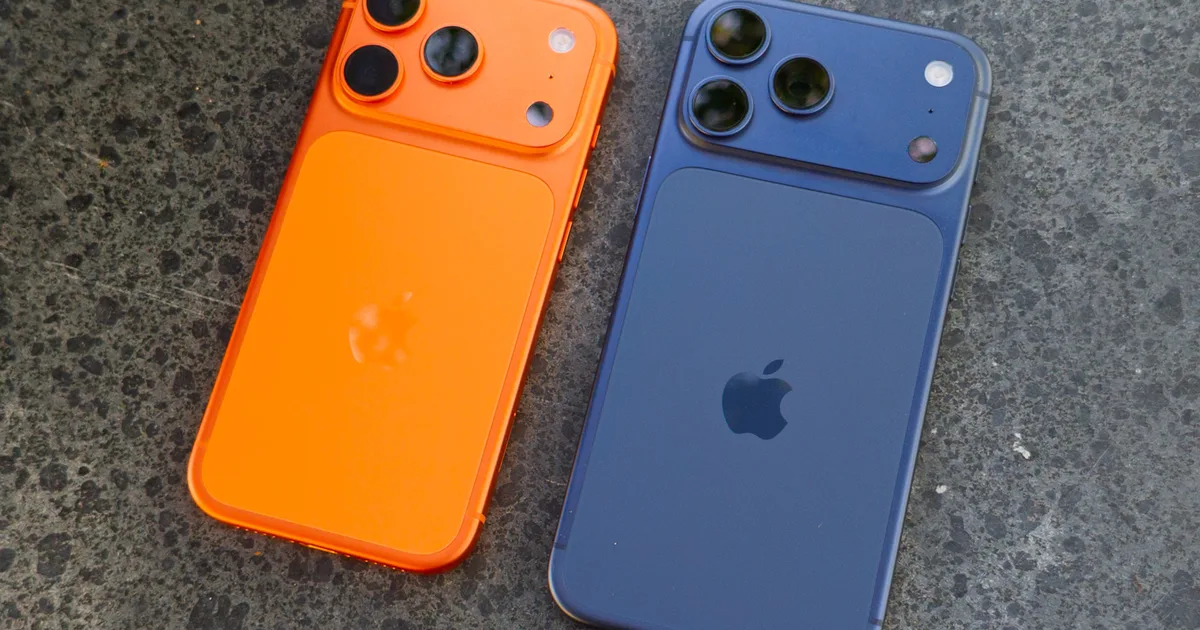
Apple’s iPhone is a product that the world, including potential buyers, critics, and competitors, watches obsessively. Over the years, the Cupertino giant has repeatedly shown up every September, with the best iteration of their smartphone technology, spread across multiple Pro and non-Pro models. However, the iPhone 18 series could change that tradition.
This year could be the first time the company splits its massive September event into two, focusing on different categories of the upcoming iPhones. The premium ones, including the Pro models and the purported Apple foldable, could arrive this fall (the date is finally out), while the more affordable models could arrive in spring 2027. That’s why it’s even more important to know about the purported iPhone 18 series this year, so you can plan your upgrade (and prepare your wallet) well in advance.
iPhone 18 series: Latest news
Apple’s iPhone is one of those evergreen product lineups that attracts rumors and reports year-round. Whether the iPhone 17 has just dropped or we’re almost half a year away from the expected iPhone 18 series launch, the news keeps coming in from all directions.
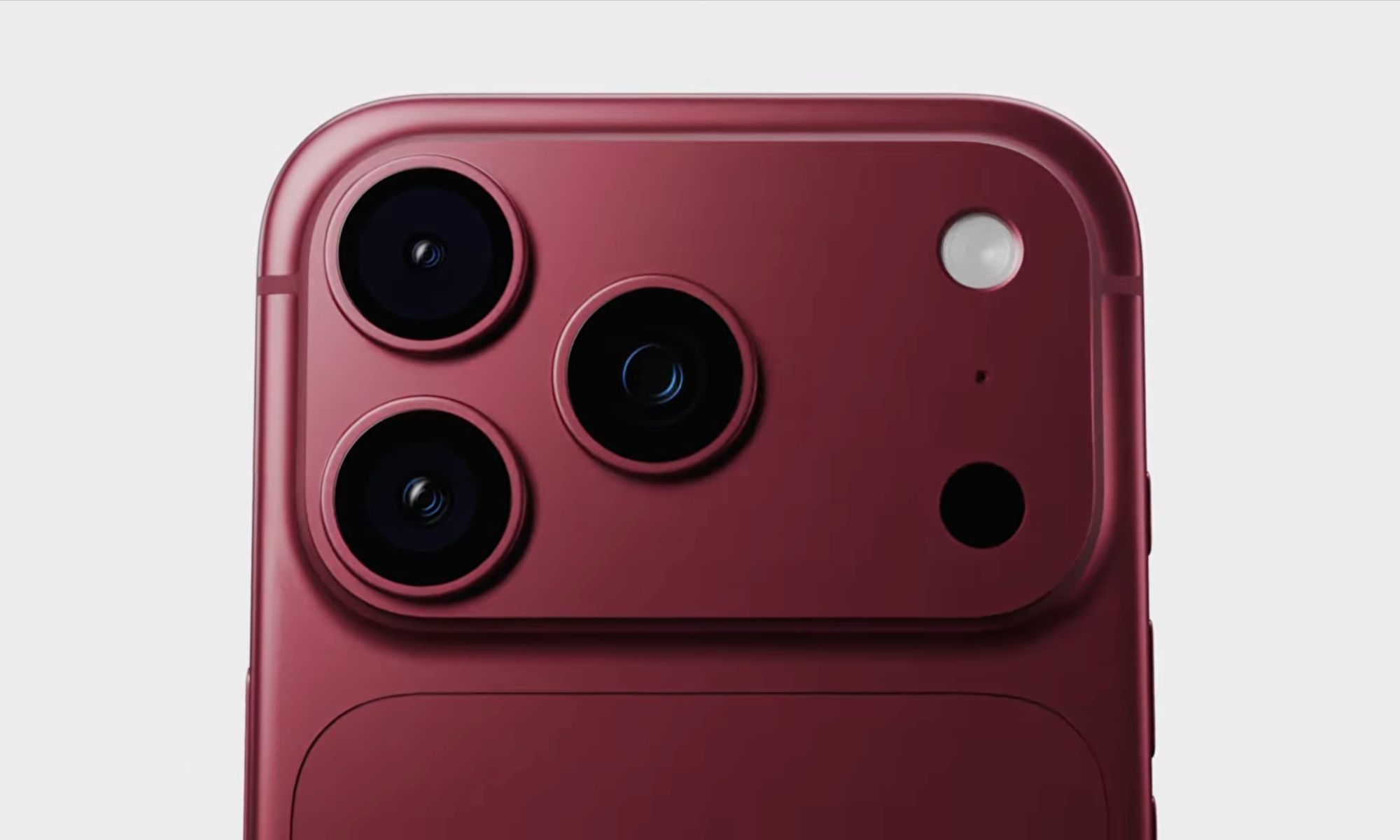
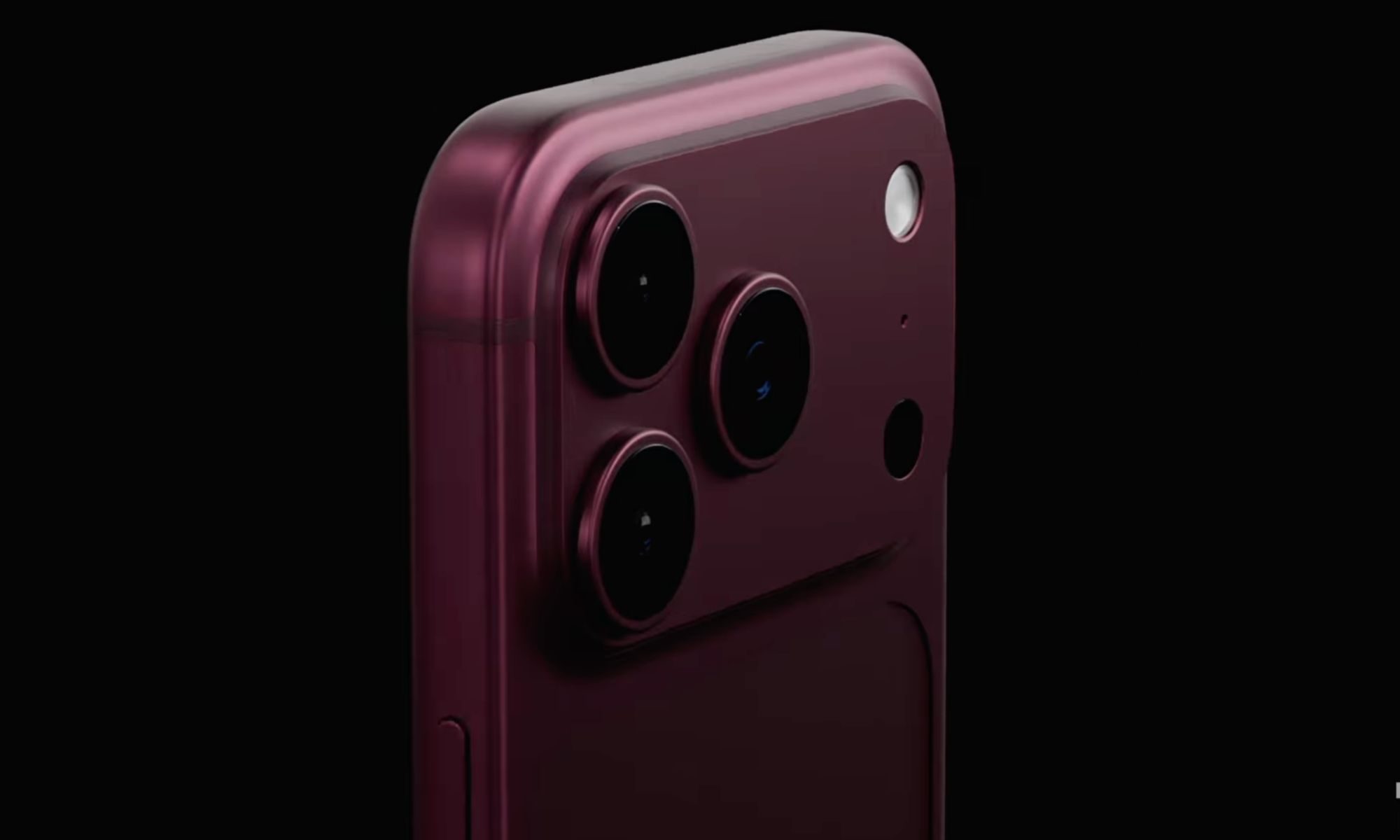
- Apple could retain the traditional black or dark gray finish for the iPhone 18 Pro models, along with a classic silver finish. The hero colors, however, could be Dark Cherry (Burgundy) and Light Blue.
- A new report pegs the iPhone 18 Pro’s starting price at $1,199, $100 higher than the iPhone 17 Pro.
- A production snag might result in a shortage of the iPhone 18 Pro models at launch. However, since these are two of the three models rumored to launch in September, Apple may have found a way to offset the supply shortage.
- Apple’s iPhone Duo could be available in limited stock at launch. American buyers could still get their hands on the first batch.
- The iPhone 18 Pro models could be thicker than the outgoing iPhone 17 Pro, possibly to accommodate better camera hardware and bigger batteries.
- According to the Chinese tipster Instant Digital (via Weibo), the iPhone 18 Pro series might skip a fan-favorite black finish this year as well. Instead, the lineup could arrive with a much more vibrant color palette than any other model, including hues like deep maroon, coffee brown, and perhaps even bright purple.
- Several tipsters claim the iPhone 18 Pro models could feature a slimmer Dynamic Island. However, there seems to be a divide on whether the slimmer Dynamic Island will make it to the vanilla iPhone 18.
- Apple’s plans to improve the iPhone 18 Pro’s camera app, perhaps with pro-style controls for all the different photographic values, just got tangled in a legal mess in late March 2026. The company was reportedly planning to introduce Halide-inspired features to its camera app.
- The iPhone 18 Pro lineup is rumored to feature a 24MP selfie camera, which could further improve selfies. The regular iPhone 18 might stick with its 18MP Center Stage camera, at least for this product cycle.
- While the Chinese version of the iPhone 18 Pro Max could feature a 5,000 mAh battery, the version sold in other markets could have a capacity of 5,100-5,200 mAh. This could result in a significant improvement in battery life, especially when combined with the more power-efficient A20 Pro chip.
- The iPhone 18 is expected to carry over the same design as the current iPhone 17. It could arrive next year, alongside the iPhone Air 2 and the iPhone 18e.
Release date and price rumors

Unlike previous years, Apple is heavily rumored to split its grand September launch event into two equally important events across 2026 and 2027.
The split strategy was initially reported by The Information in May 2025, and later, Bloomberg’s Mark Gurman corroborated it, stating that it will help the company spread its engineering and marketing efforts across its calendar year, from fall to spring.
As part of the new launch paradigm, we should get to see the premium Apple iPhones, including the iPhone 18 Pro, the iPhone 18 Pro Max, and the iPhone Fold (Apple’s first-ever foldable), in early September 2026, with retail availability typically following about two weeks later. Some rumors also suggest the Fold could go on sale in December.
On August 26, Apple sent out official invites, confirming that date for its big event: September 9, 2026. Following the launch event, pre-orders for the new devices could open on September 12, 2026, while general availability could begin on September 18, 2026. While Apple hasn’t announced the names of the devices it will unveil on the day, they could be the iPhone 18 Pro, iPhone 18 Pro Max, and the iPhone Duo.

Price seems to be a sensitive topic this year, not just for the upcoming iPhone 18 series, but for every other smartphone in 2026. The ongoing memory crisis and rising component costs have compelled manufacturers to either raise prices or upsell buyers to higher-memory or storage variants at higher prices.
After ugly price-hike rumors pointed to a $200 to $300 revision for the iPhone 18 Pro models, Bloomberg’s Mark Gurman has locked in his final prediction: both Pro models will see exactly a $100 price increase. This puts the iPhone 18 Pro starting at $1,199 and the iPhone 18 Pro Max at $1,299.
| Expected Release | Starting Price | |
| iPhone 18 Pro | September 2026 | ~$1,199 |
| iPhone 18 Pro Max | September 2026 | ~$1,299 |
| iPhone Fold (or Ultra) | October 2026 | ~$2,000 to $3,000 |
Because the standard iPhone 18 and iPhone 18e are heavily rumored to be delayed until spring 2027, the iPhone 18 Pro models will effectively become Apple’s “default” traditional smartphone focus for the 2026 holiday shopping season. This will also be the first major iPhone launch event hosted by Apple’s new CEO, John Ternus, who took over from Tim Cook on September 1, 2026.
To soften the blow, Apple has already put two measures in place. First, the company has launched “Apple Upgrade,” a Klarna-backed leasing program that lets you pay the cost of the iPhone in easy monthly installments. As part of the program, iPhone leases start as low as $17.99/month.

Separately, Apple has also raised its trade-in values across most iPhone, iPad, Mac, and Apple Watch models, something that will reduce your effective upgrade cost when you exchange your current device for a new one. In fact, the company has also added third-party smartphones, including those from companies like Samsung, Google, and OnePlus, to its exchange program for the first time.
After the September 2026 event, Apple could return in March 2027 with more value-driven, consumer-centric models, including the regular iPhone 18 and the iPhone 18e.
The successor to the thinnest iPhone ever, the iPhone Air, could also break cover at the same time. Whether this will be through a live-streamed event, a pre-recorded presentation, or simply a press release is still unclear.
| Expected Release | Starting Price | |
| iPhone 18 | March 2027 | ~$799 |
| iPhone 18e | March 2027 | ~$599 |
| iPhone Air 2 | March 2027 | ~$999 |
Please keep in mind that the prices mentioned here are mere speculations, and Apple hasn’t confirmed them (yet).
Design and display

According to the most recent rumor from Fixed Focus Digital (via Weibo), the baseline iPhone 18 could look and feel the same as its predecessor, the iPhone 17. In other words, we could get the same glass-and-aluminum sandwich design with flat edges, rounded corners, a pill-shaped camera module, and a minimal yet premium look.
The overall dimensions and weight of the handset might remain unchanged, barring any minor modifications. While the handset could still feature a 6.27-inch LTPO OLED screen with a 120Hz refresh rate, perhaps with improvements to peak brightness and always-on efficiency.

It might have a smaller Dynamic Island, though newer leaks dispute this, suggesting that a smaller cutout on the screen could be reserved for the Pro models in the iPhone 18 series. The bezels are already quite slim on the baseline iPhone 17, and they might not get any slimmer on the successor.
The iPhone 18 Pro models could also borrow their aluminum unibody (with the camera plateau) and glass (at the rear) chassis from the iPhone 17 Pro models. What could change, however, is the color difference between the metal body and the back glass, in favor of a more seamless look. Compared to the current two-tone design, the iPhone 18 Pro could feature a more frosted version of Apple’s Ceramic Shield on the back.

In fact, Apple could also double down on more vibrant, fun colors with the iPhone 18 Pro (as the Cosmic Orange finish did quite well). Recent leaks point toward two new hero colors for the lineup: Light Blue and Dark Cherry, alongside the return of a traditional Dark Gray and a Silver option.
Some leaks claimed Apple might ditch the Dynamic Island entirely and adopt an under-display Face ID module, resulting in punch-hole screens. But for now, a smaller Dynamic Island, confirmed by recent reports to be 25% to 35% smaller across both 6.3-inch and 6.9-inch Pro sizes, makes much more sense, given Apple’s slow-paced physical innovation cycle. It would also help with product segmentation.
A leak from May claims the Dynamic Island could be around 25 to 35% smaller on the iPhone 18 Pro than on the iPhone 17 Pro. Apple could do this by moving the Face ID flood illuminator under the display glass, while the dot projector, infrared camera, and selfie camera remain in a reduced but still-visible pill cutout. However, the source is a bit sketchy.
Chinese tipster Fixed Focus Digital claims that the iPhone 18 Pro could be thicker, primarily due to an upgraded camera module and a bigger battery. Pre-launch reports clarify that this thickness increase is specifically targeted at the Pro Max to accommodate its upgraded battery cell, rather than being a uniform increase across both Pro models.

Given that competitors, especially Samsung, are putting considerable effort into making their flagships slimmer, the rumored 2mm increase in thickness could draw its fair share of criticism.
As for the baseline iPhone 18’s display, it could borrow the iPhone 17’s 6.3-inch Super Retina XDR OLED display with a pixel density of 460 ppi and a peak brightness of 3,000 nits. I’ve used the iPhone 17 for almost a year now; it looks sharp and vibrant and remains visible in direct sunlight. Apple might not want to fix what isn’t broken.
The baseline iPhone 18 Pro could sport the same 6.3-inch OLED screen, and the iPhone 18 Pro Max could feature the 6.9-inch OLED screen, both capable of a 120Hz ProMotion display, probably with subtle refinements in the screen-to-body ratio and the anti-reflective coating. Rumors point to an LTPO+ panel for the Pro series, which could improve power efficiency, display brightness, and color accuracy.
Performance and software

The baseline iPhone 18 will almost certainly feature the A20 chip, while the iPhone 18 Pro models could get the A20 Pro chip. They’ll be the first Apple-designed chipsets based on TSCM’s 2nm fabrication technology. Technically, Samsung crossed the finish line first with 2nm chips (with its Exynos 2600 chip), but Apple’s implementation should be more intentional and capable.
Apart from improvements in raw performance and efficiency, the purported mobile processors from Apple could be based on a new WMCM (Wafer-level Multi-Chip Module) design, as claimed by renowned analyst Ming-Chi Kuo and corroborated by a few other industry sources.
The design allows the integration of several key components, including the CPU, GPU, and DRAM, into the same package, resulting in enhanced system performance and reduced material costs. Apple could also use the same tech for the upcoming M6 chip, which could break cover on a MacBook Pro later this year.
Even though the current A19 chips are extremely fast, the A20 family could deliver double-digit improvements in both CPU and GPU performance, making it ideal for a future iteration of the MacBook Neo. We’re also expecting better sustained performance from the A20 chips.

While renowned analyst Ming-Chi Kuo claimed that the entry-level flagship could get 9GB of RAM (in June 2026), barely a 1GB improvement over the current generation, Jeff Pu has contradicted that claim, lending more weight to the initial 12GB rumors, and that has been the consensus ever since.
It might look like a number at first, but the amount of RAM on the iPhone 18 could be very crucial. If the phone actually ships with 12GB of RAM, it could get one step closer to supporting Apple’s most advanced on-device AI models, the one that powers iOS 27’s more expressive Siri voices and improved dictation accuracy.

The Pro models will also feature Apple’s second-generation C2 5G modem and a brand-new N2 wireless chip for much faster, more stable local connections like AirDrop and Personal Hotspot.
The iPhone 18 Pro could keep its 12GB memory, but with faster bandwidth for better performance. Storage options should remain the same as on the current iPhone 17 lineup. The Pro models could also get better satellite connectivity, perhaps even 5G-via-satellite.
The new iPhones will debut with iOS 27 out of the box. Despite rumors that it’s a “Snow Leopard-style” update focused on refining the back end and straightening things out, it comes with a bunch of new Apple Intelligence features. The biggest change is Siri AI, the new conversational assistant that lives in a dedicated app, gets on-screen awareness, and can access information or complete tasks across a variety of apps.
Apple Intelligence also gets deeper iOS integration. Siri AI can not only help with tasks such as writing and editing text, but also use the camera to understand what you’re looking at and answer related questions. I’ve also tried and tested the new AI-powered photo editing tools, including Spatial Reframing and Clean Up, along with a revamped Image Playground.
Apple is also promising faster app launches, quicker photo loading times, and faster AirDrop transfers, along with improvements to first-party apps like Safari, Messages, Mail, Passwords, and Shortcuts. To summarize, iOS 27 is loaded with AI-based features, and many of them are actually useful.
Cameras and battery

Both the iPhone 18 and the iPhone 18 Pro models are rumored to get a 24MP square-shaped sensor on the front, which could add the missing sharpness to the iPhone 17’s ultrawide selfies. However, newer reports assign the improved 24MP selfie shooter to the Pro models, not the baseline iPhone 18.
Chinese tipster Digital Chat Station claims that the iPhone 18 Pro models could feature a DSLR-like variable aperture for the 48MP primary camera, alongside larger fixed apertures for the ultrawide and telephoto sensors. Simply put, users could get more control over the background blur and overall light in the frame (via the primary camera) and better low-light performance (via other sensors).

This leak has since moved well past early speculation. According to an ETNews report from April 2026, the variable aperture camera has already entered production for the upcoming iPhone launch. However, a May follow-up from Kuo claimed that the new hardware costs roughly 50% higher (via 9To5Mac). More recently, tipster Ice Universe claimed that the variable-aperture camera could be exclusively available on the iPhone 18 Pro Max (via MacRumors).
While Apple was also reportedly considering acquiring Lux Optics, the company behind the Halide Camera app (which provides creative and professional photography controls), the plans seem to be tangled in a legal mess, at least for now. According to a Chinese tipster, Apple was toying with teleconverter lenses for the Pro models as well.
A simplified Camera Control button (without the capacitive touch layer) is also on the cards for all iPhone 18 models. Apple is ditching the capacitive touch and swiping gestures entirely; instead, the redesigned button will be strictly mechanical and pressure-sensitive.

On the megapixel front, don’t expect a dramatic leap just yet. Leaker Digital Chat Station has claimed Apple tested a 200MP periscope sensor, but Morgan Stanley and MacRumors both now peg realistic adoption at 2028 at the earliest, likely on the iPhone 21.
A leak from Instant Digital suggests a slight weight increase for the iPhone 18 Pro Max, possibly to accommodate a larger battery than the current model. In fact, Digital Chat Station corroborated the rumor, stating that the non-Chinese version of the handset could feature a battery with a capacity between 5,100 and 5,200 mAh, a substantial improvement in battery life.
More recent leaks push this figure even higher. Chinese 3C regulatory filings and leaked battery-label photos now suggest the international iPhone 18 Pro Max could reach 5,391–5,567 mAh (via MacRumors), while the smaller iPhone 18 Pro lands between 4,056 mAh (physical-SIM markets) and 4,288 mAh (eSIM-only, like the US).
Apple is reportedly cleaning up iOS 27’s code to make it more efficient, which should also improve overall battery life for the iPhone 18 series and the supported iPhones. Beyond that, there are no leaks or rumors about the iPhone 18 series getting any charging upgrades, wired or MagSafe.
Source link