









AI is constantly being shoved in our faces. From your laptop to your phone, every new gadget now ships with some features built around AI. Over the last couple of years, even Apple has tried to make Apple Intelligence sound like the next big thing on the iPhone.
With iOS 27, the argument finally became worth listening to. Siri AI is a great example of this. It can search through personal information and understand what is on your screen before answering specific or broader general questions. Visual Intelligence looks through your phone’s camera to understand what you’re seeing, and a lot more.
All of this is impressive, till you see what Apple has in store with the Apple Watch Series 12 and Watch Ultra 4. The way it approaches AI in the wearables is different. It isn’t just a smaller secondary screen with a language model, and that’s why it works.
The Apple Watch doesn’t waste time
An iPhone gives Apple plenty of space to demonstrate AI, which is not the case for the Watches. Its tiny screen actively discourages long interactions, and I think that limitation is forcing Apple toward more interesting ideas. Take the new Audio Intelligence suite, for example. Each of the new features under it serves to make the users’ lives easier.
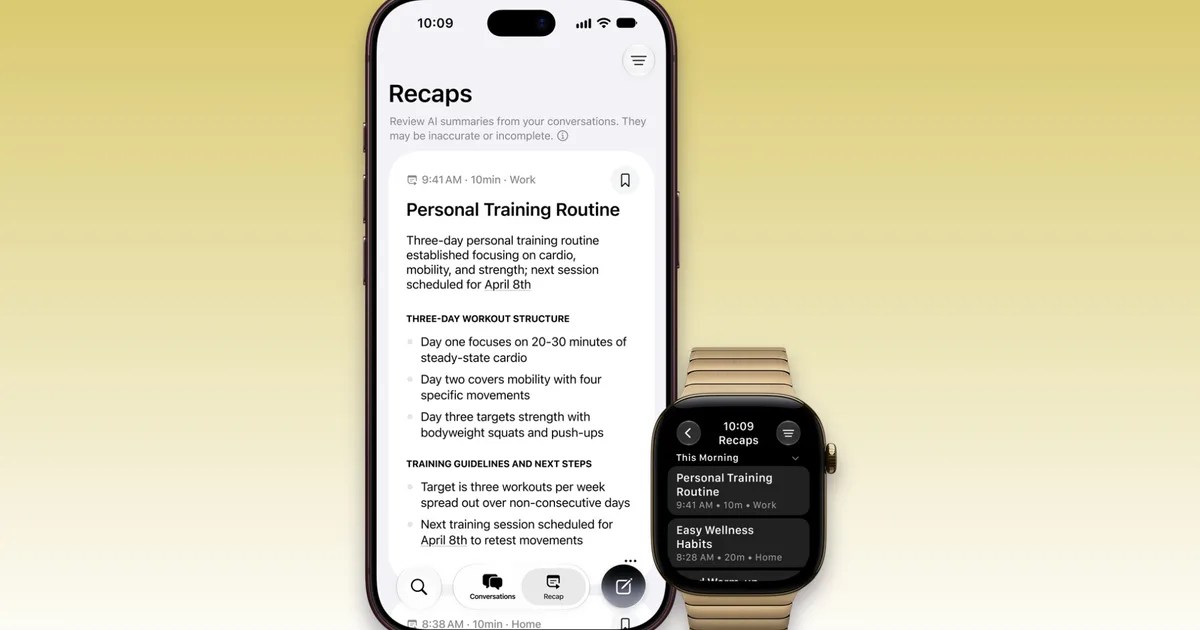
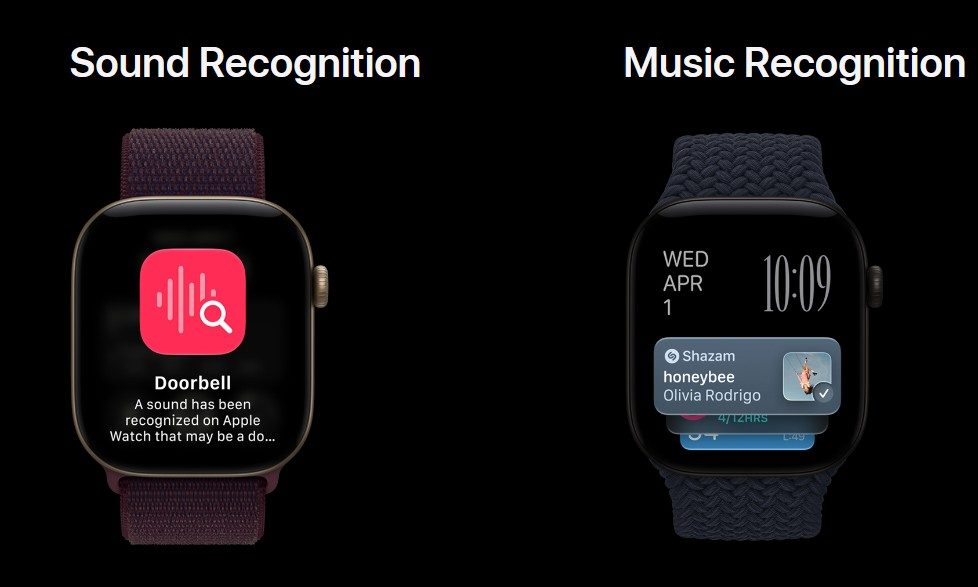
Sound Recognition can identify important noises such as alarms, sirens, doorbells, or a crying baby and alert you. Automatic Shazam identifies music around you and surfaces the result in Smart Stack. Live Rewind can recover the previous 15 seconds of speech when you missed something someone said. Siri Recap can turn conversations into short summaries you can revisit later.
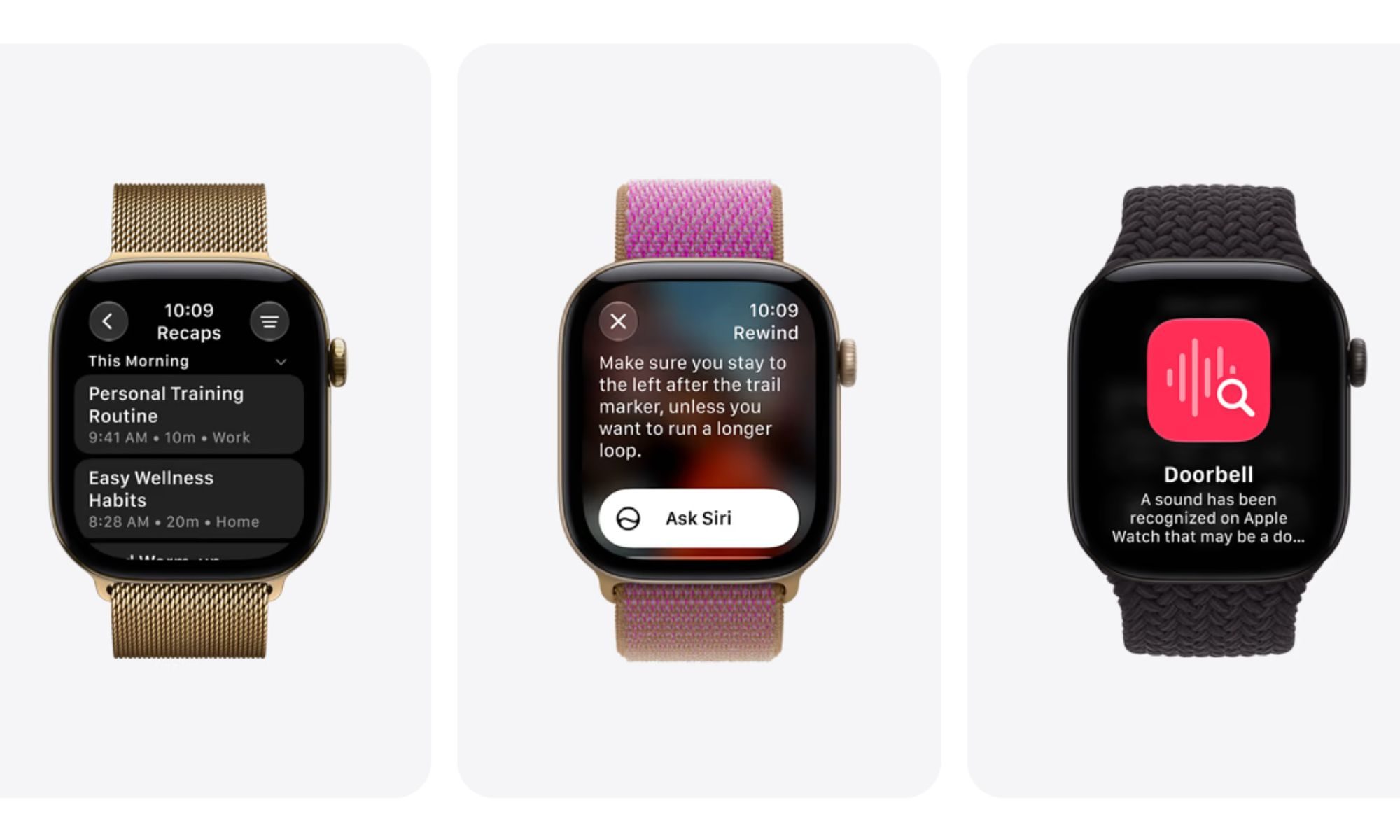
Live Rewind can be really useful… if you ignore the privacy concerns
Live Rewind is probably the best example. I can just double-press the Digital Crown and get the previous 15 seconds as text if I missed something important in the conversation. Adding to its functionality, you can even ask Siri about it or have it saved for later. On the iPhone side, there isn’t any such interaction. By the time I’ve taken my phone out, unlocked it, and started recording, it’s already too late.
A lot of the new AI gadgets are all about seamless, display-free interactions. And just like those devices, the new Apple Watch changes how we interact with AI thanks to its physical proximity. A wearable has access to situations an iPhone sitting in my pocket can’t interact with quite as naturally, and Apple is beginning to build intelligence around that advantage.
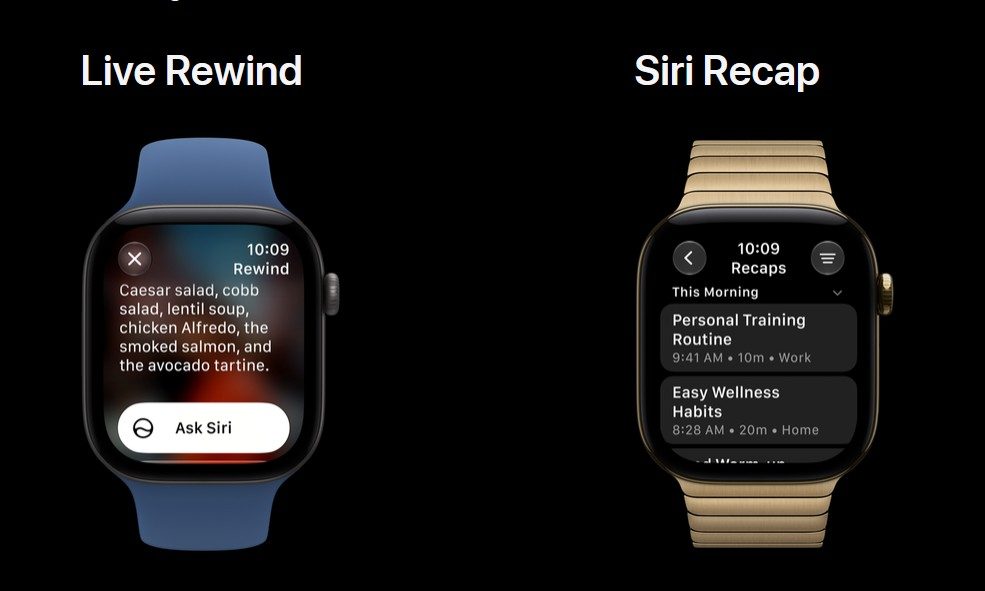
We made a similar argument about Siri Recap recently. The privacy implications of a smartwatch listening to conversations deserve scrutiny. Though Apple’s implementation avoids retaining raw recordings and processes audio inside a hardware-isolated Secure Exclave on the S11 chip. Live Rewind also gives people nearby an audible and visual indication when it has been activated.
Why an iPhone can’t match the Apple Watch
Fitness and health features are what make the Apple Watch so popular. It knows much more about what my body is doing at any particular moment. Workout Buddy uses Apple Intelligence to provide spoken motivation based on personal workout data, and watchOS 27 expands the information it can incorporate. It can now operate while you exercise without carrying your iPhone, even if Apple still requires a paired Apple Intelligence-enabled iPhone and compatible Bluetooth audio hardware.
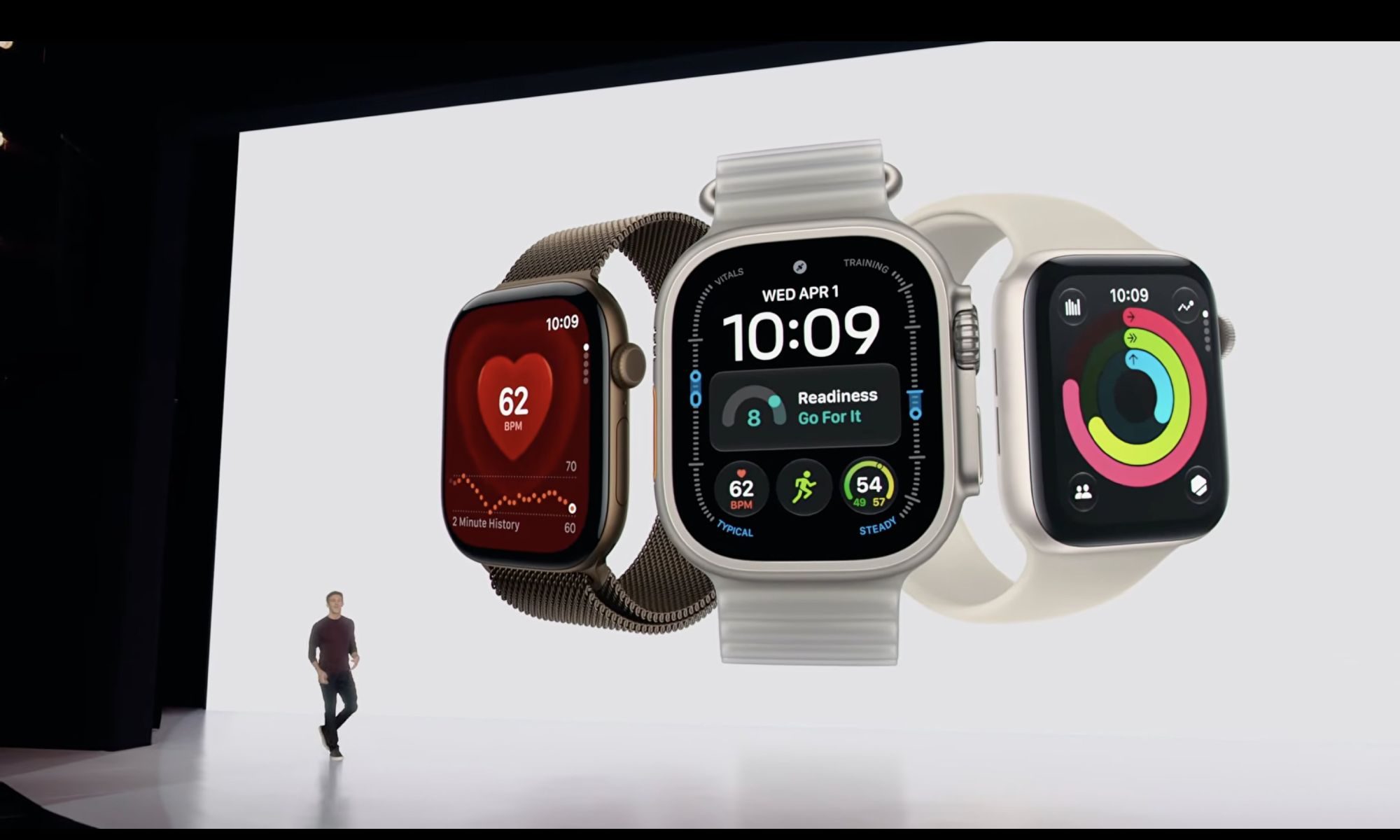
Series 12 and Ultra 4 also gather heart-rate measurements every five seconds and HRV as frequently as every five minutes through the new Health Sensing System. This data feeds Apple’s new Readiness experience, which combines activity, sleep, vitals, and training information into a score that updates as your condition changes throughout the day.
Apple’s redesigned Health app uses Apple Intelligence to interpret longer-term health information, while new vision-based AI assessments can combine the iPhone camera with Watch data to evaluate flexibility, strength, balance, movement mechanics, and VO2 max.
Siri AI on your wrist just works
Ironically, even Apple’s more conventional chatbot-style AI arguably gains something by being on the Watch. Siri AI brings the same personal-context understanding, conversational abilities, and broad knowledge available on the iPhone to watchOS 27. But on a phone, Siri is competing with other AI services like ChatGPT and Gemini.
With the Apple Watch, however, I can change an activity goal halfway through a run. Maybe even find something from my personal info or ask about my training without ever having to reach for my phone. Even watchOS 27’s smaller intelligence features play into this whole thing. The app grid can surface Siri-suggested apps based on usage, and something like Smart Stack recommendations can appear around context such as where you parked or someone’s birthday.
To be fair, the Apple Watch is more powerful than the iPhone. Features like Visual Intelligence bring some serious image-generation and editing tools. I just think the Watch is providing a better example of how AI can fit into an existing product without becoming the product.
I like the version of AI that’s all about making interactions feel more natural. It hears the thing you missed and recognizes the song playing nearby without needing any input. Nothing too intrusive, but still present enough to be handy in day-to-day use.
Source link