









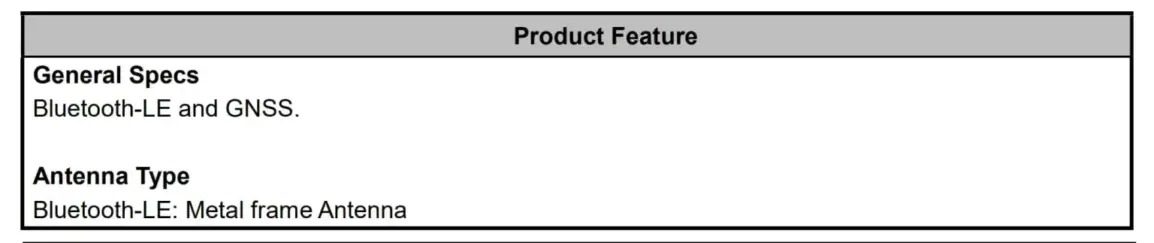
Google may be preparing a successor to the Fitbit Charge 6, and it could bring a major software change to the fitness band. A mystery device identified as G8BL6 has appeared at the FCC with Bluetooth LE, built-in GNSS, and what appears to be a display. 9to5Google believes the device could run Wear OS and says it would make sense as a successor to the Charge line.
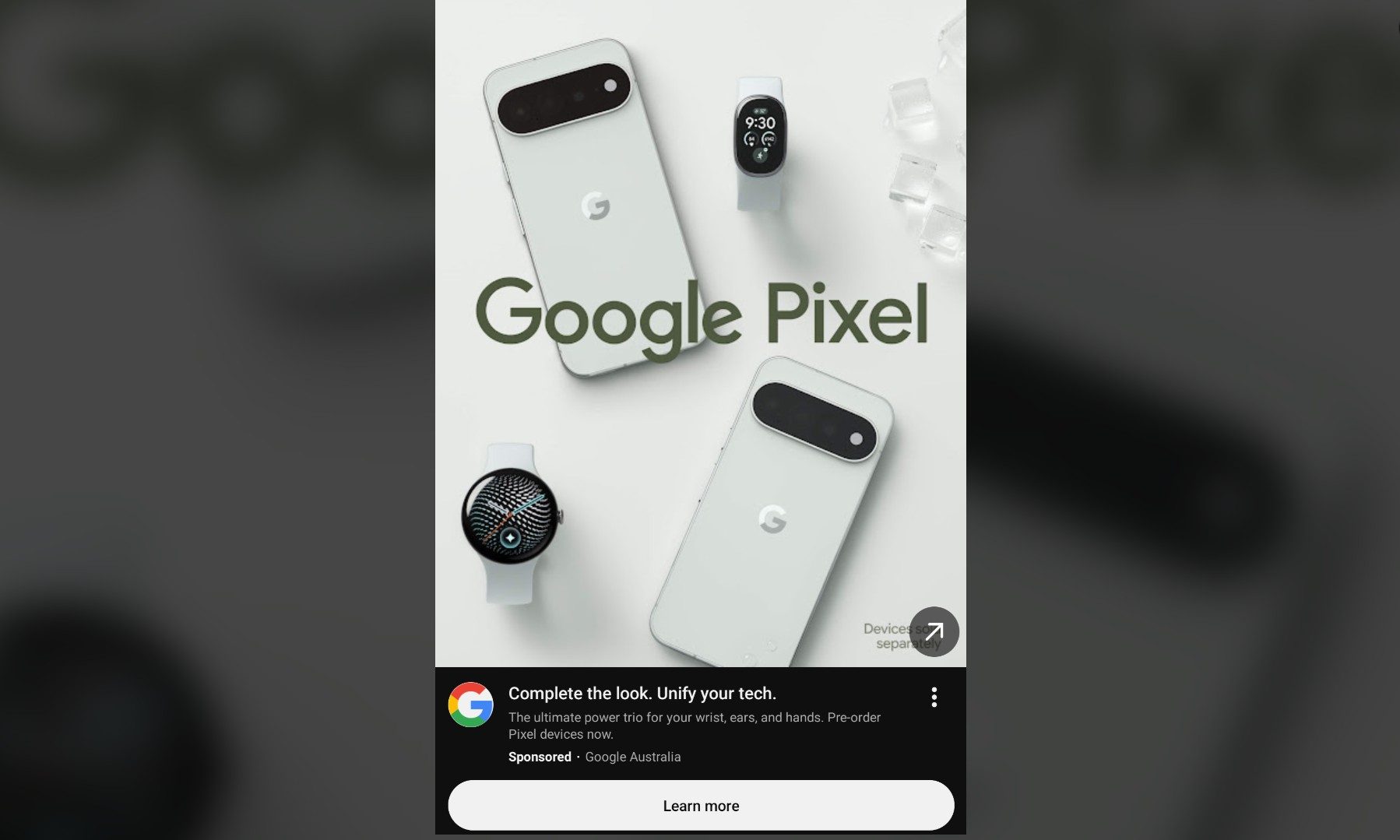
The Charge 6 has not been refreshed since 2023. Google also showed an unidentified fitness band in Pixel 11 ads in August. The device had a tall display and looked closer to a Fitbit Charge than a Pixel Watch. Google never identified it, but the FCC device could be the same product.

Wear OS would be a major change for the Charge line
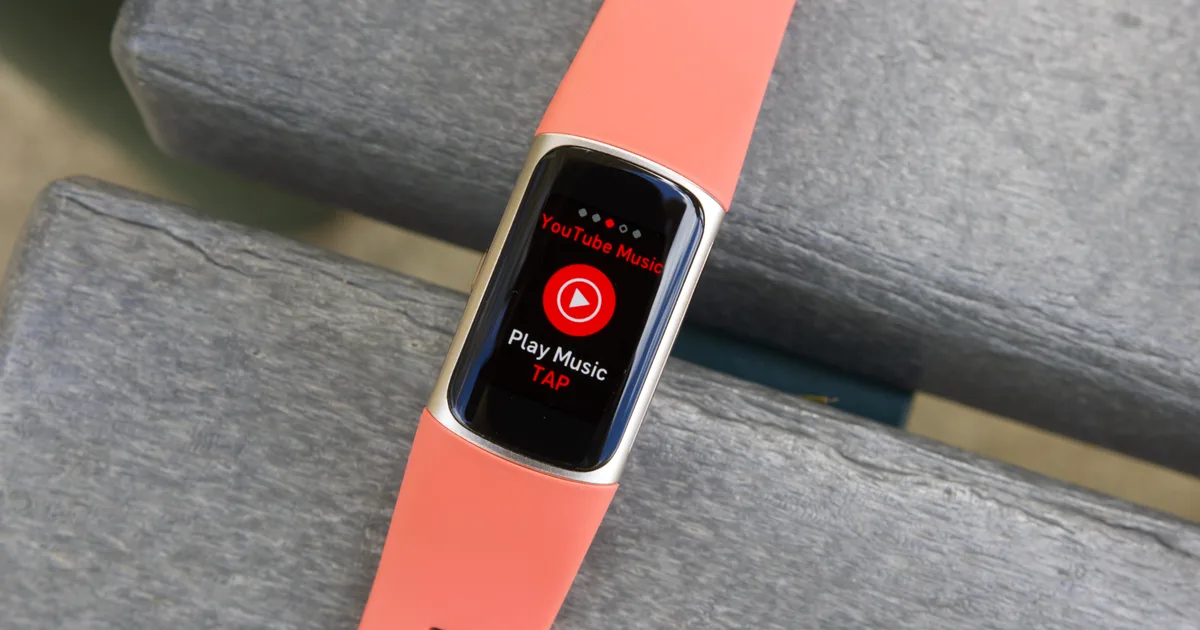
The Charge 6 already supports Google Maps, Google Wallet, YouTube Music controls, notifications, and dozens of exercise modes without running Wear OS. Moving a future Charge to Wear OS could give it access to a broader app ecosystem and deeper Google integration. It would also be unusual for a fitness band. Devices in this category generally use lighter software that requires less processing power and consumes less energy.
A full Wear OS experience would also require more capable hardware than a conventional fitness tracker. Google would likely need a modern wearable processor, more memory, and substantially more storage.
Battery life could be the difficult part
The Charge 6 is rated for up to seven days of battery life, although Google notes that features such as the always-on display can reduce that figure.
Matching that endurance with Wear OS could prove difficult in a slim fitness-band design. Google could instead develop a stripped-down version of Wear OS for this form factor and remove some of the apps, background services, and other smartwatch features that demand more hardware and power.
For now, though, that is all speculation. Both ideas depend on clues from the FCC filing and the assumption that this is the same mystery tracker Google previously showed in its advertising.
Source link