










The A20 Pro has entered the chat, and the M5 Max is taking notes.
Apple’s new A20 Pro chip is already making an unusually strong showing in benchmark tests, with early Geekbench 7 results suggesting that the processor inside the iPhone 18 Pro Max can deliver higher peak single-core performance than Apple’s much larger M5 Max laptop chip. The iPhone 18 Pro series went on pre-order officially today, and the prices start from $1,199. Delivery starts from September 18.
The A20 Pro has appeared on Geekbench aboard a device identified as “iPhone 19,3” with a “V64AP” motherboard designation. While the benchmark incorrectly lists the CPU as an Intel Pentium II/III, the remaining hardware identifiers point toward an iPhone 18 Pro Max running Apple’s latest A20 Pro chipset.
A smartphone chip takes the single-core crown
The benchmark result is impressive on paper. The A20 Pro recorded 4,042 points in single-core performance and 11,691 points in multi-core performance on Geekbench 7. Its single-core score puts it ahead of the M5 Max in the 16-inch MacBook Pro, which scored 3,785 points in the same benchmark.
That does not mean the A20 Pro has suddenly become more powerful than Apple’s flagship Mac chip overall. The M5 Max packs 18 CPU cores, compared with six cores on the A20 Pro, and its multi-core performance remains substantially higher. In other words, the iPhone chip is winning a very specific part of the contest: peak single-core performance.
This distinction matters because benchmark numbers can make a smartphone SoC look more capable than it really is for demanding workloads. The A20 Pro’s advantage is primarily about short bursts of CPU performance. Under sustained workloads, the M-series chips retain a significant advantage, while the A20 Pro is also described as being heavily outperformed on the GPU side.
What this means for the iPhone 18 Pro
The result is nevertheless a notable demonstration of how aggressively Apple is pushing performance on its smartphone chips. It also follows the company’s recent trend: the A19 Pro reportedly outperformed the M4 and came close to the M4 Max in single-core performance when it launched last year.
For iPhone 18 Pro buyers, the benchmark suggests that everyday tasks, app launches and other workloads that benefit from fast single-core performance could be extremely responsive. But it should not be interpreted as evidence that an iPhone can replace a MacBook Pro for sustained professional workloads.
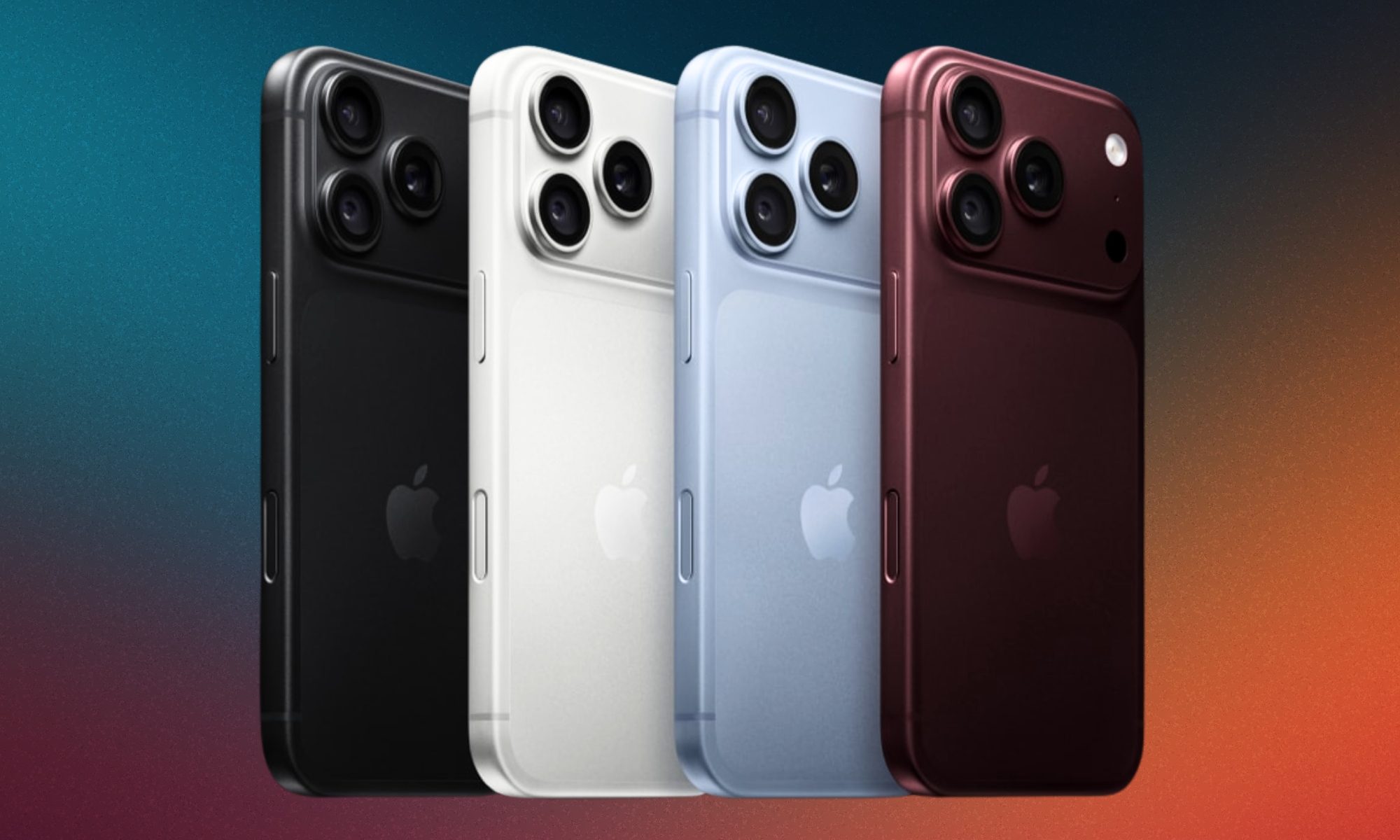
There is also an important caveat: the iPhone 18 Pro models and iPhone Duo had not yet gone on sale when the benchmark appeared, meaning these are early results rather than a complete picture of retail-device performance.
The next step will be seeing how the A20 Pro performs across more Geekbench runs and, more importantly, in sustained real-world testing once the new iPhones reach users.
Source link